Do you plan your life around the bathroom?Know that something is
wrong down there?
Pelvic health conditions are common, but not normal.
Most women wait six to
ten years before they
seek help for a pelvic
disorder, due to shame or
thinking there’s nothing
to be done.

Understanding Your Pelvic Health Starts Here
Pelvic health is an important part of overall well-being, yet women struggle to talk about it. Changes in how often you use the bathroom, discomfort or pressure in your pelvic area, or other symptoms can affect your daily life. It isn’t always easy to know what’s normal, what might need attention, or where to turn for answers. Whether you’re looking for information for yourself or someone you love, learning about pelvic health is a first step toward understanding your body and finding support.
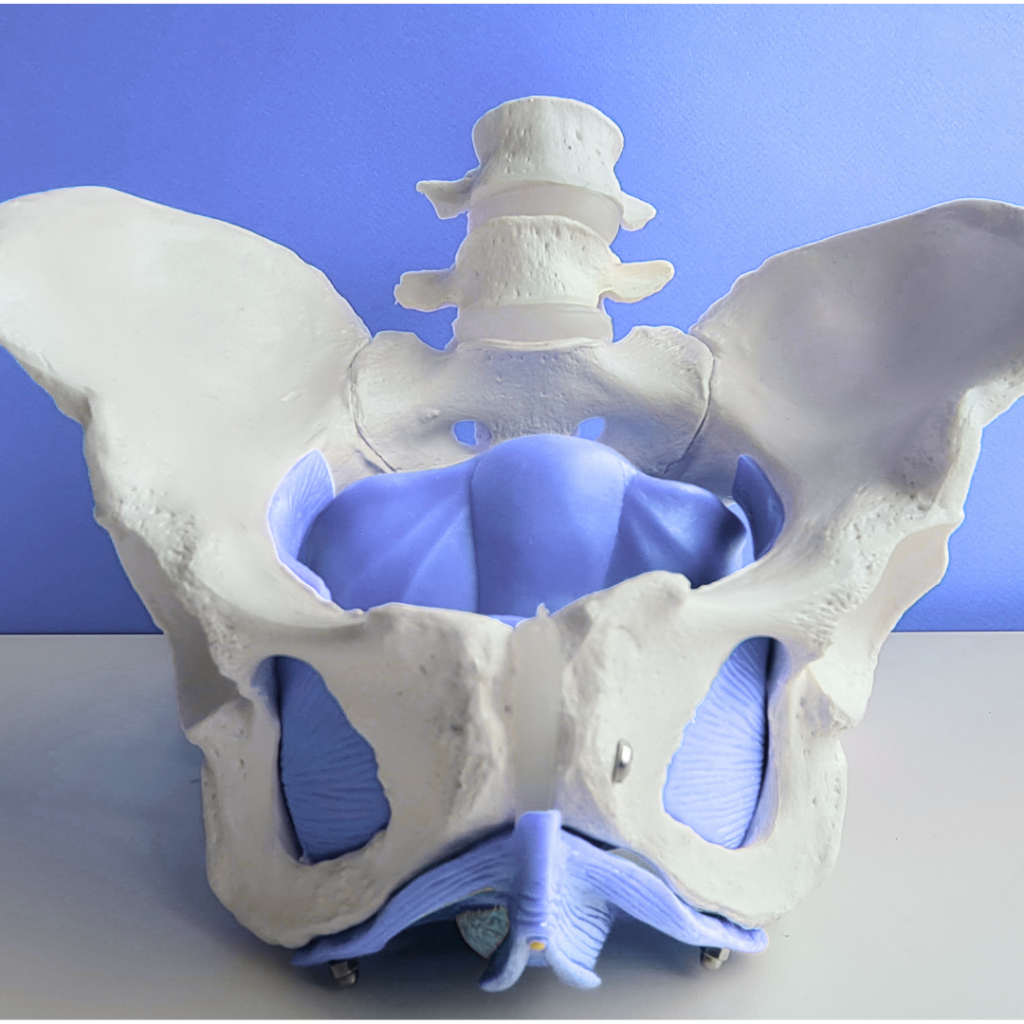
Your pelvic floor is made up of the muscles, tissues, and organs in the lower part of your body that help support everyday functions, like going to the bathroom and having sex. When something isn’t working as it should, you may notice changes in your comfort or ability to do the things you enjoy. Many people don’t realize that these symptoms may be caused by a pelic floor disorder, or that treatment options exist.
Use this site to help you recognize those changes, understand your care options, and feel more comfortable discussing pelvic health issues with a health care professional.
Talking about pelvic health can feel uncomfortable, but you don’t need to have all the right words before asking for help. Starting a conversation with a health care professional can help you better understand what’s happening and explore your next steps. By getting to know your pelvic floor, you can feel more confident having those conversations and more empowered to take charge of your health.
Pelvic health concerns can have different causes, and the right care depends on your symptoms and individual needs. Depending on what you’re experiencing, support may come from a primary care provider, urologist, gynecologist, pelvic floor physical therapist, OB/GYN or another specialist.
A specialized area of care focused on pelvic floor disorders and other health conditions affecting the bladder and other pelvic organs. Urogynecologists have advanced training to evaluate these concerns, explain available treatment options, and help patients find an approach that fits their needs. Understanding the different types of care available to you can help you feel more prepared to ask questions and make informed decisions about your health.